

Protect What Matters Most
Fraud and scams can move quickly. Use the First Hope Bank Security Center to recognize warning signs, strengthen your online security and know what to do if something does not look right.
Protect Yourself, Your Money and Your Financial Identity
Scammers often rely on urgency, impersonation and information gathered online to make a request feel convincing. Slow down, protect sensitive information and verify any unexpected request through a trusted source before you act.
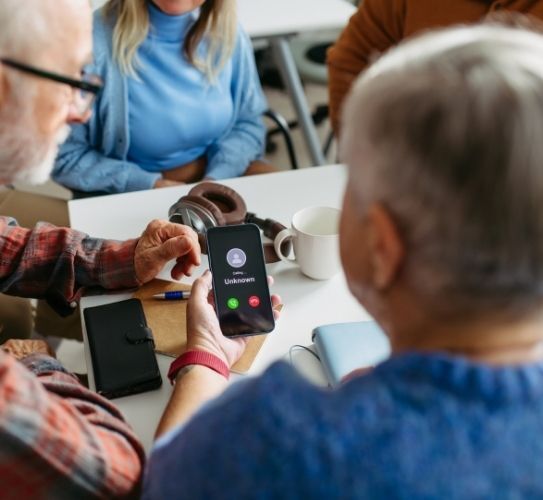
Disregard Unexpected Calls, Emails and Texts
Do not rely on caller ID or a familiar-looking sender name. Criminals can impersonate trusted companies, government agencies and even people you know. Avoid replying to unexpected messages, clicking unfamiliar links or acting on threats and urgent demands.
Keep Your Personal Information Private
Never share account numbers, Social Security numbers, PINs, passwords or one-time verification codes because someone asks for them unexpectedly. Limit the personal details you share online, use strong and unique passwords, and enable multi-factor authentication whenever it is available.
Do Not Give In to Pressure
Fraudsters want you to act before you have time to question the situation. Stop if someone demands immediate payment, threatens consequences, asks you to keep a secret or tells you what to say to your bank or family. Take time to think and verify the request independently.
Verify Before You Act
If a message claims there is a problem with an account, end the conversation and contact the company using a phone number or website you already know is legitimate. If someone claims a loved one is in trouble, contact that person or another trusted relative directly before sending money or information.
Unexpected Messages
Disregard Unexpected Calls, Emails and Texts
Do not rely on caller ID or a familiar-looking sender name. Criminals can impersonate trusted companies, government agencies and even people you know. Avoid replying to unexpected messages, clicking unfamiliar links or acting on threats and urgent demands.
Protect Your Information
Keep Your Personal Information Private
Never share account numbers, Social Security numbers, PINs, passwords or one-time verification codes because someone asks for them unexpectedly. Limit the personal details you share online, use strong and unique passwords, and enable multi-factor authentication whenever it is available.
Slow Down
Do Not Give In to Pressure
Fraudsters want you to act before you have time to question the situation. Stop if someone demands immediate payment, threatens consequences, asks you to keep a secret or tells you what to say to your bank or family. Take time to think and verify the request independently.
Verify First
Verify Before You Act
If a message claims there is a problem with an account, end the conversation and contact the company using a phone number or website you already know is legitimate. If someone claims a loved one is in trouble, contact that person or another trusted relative directly before sending money or information.
What to Do When You Spot a Scam
Stop the conversation and take action. If money or account information may be involved, contact your bank or payment provider immediately, secure your accounts and devices, document what happened and report the incident to the appropriate authorities.

End Communication
Stop replying to calls, texts, emails or social messages from the suspected scammer. Do not send additional money or information.

Notify Payment Providers
If you sent money, contact the bank, card issuer, wire service, payment app, gift card issuer or other provider immediately and ask what recovery steps may be available.

Secure Your Accounts
If you shared credentials or granted device access, remove remote-access software first, then change passwords, enable multi-factor authentication and review accounts for unauthorized activity.
Keep a Central Record
Save messages, emails, receipts, screenshots, transaction details, reports and a timeline of events in one place. Good records can help when you work with financial institutions or law enforcement.
Review Your Credit Reports
Check your credit reports for unfamiliar activity and consider placing a fraud alert or security freeze if you believe your identity may have been compromised.
Report the Scam
Report suspected internet crime to the FBI Internet Crime Complaint Center and identity theft or other fraud to the appropriate agencies. Local law enforcement may also be able to help.
Organizations You Can Turn to for Fraud Prevention and Support
Trusted consumer and government organizations offer education, reporting tools and support if you encounter a scam, identity theft or financial exploitation.
Fraud Watch Network
Fraud alerts, scam-prevention education and support resources designed to help consumers recognize and respond to fraud.
Older Americans Resources
Banking-industry education and resources focused on preventing financial exploitation and protecting older adults.
BBB Scam Tracker
Search reported scams in your area and report suspicious activity to help others recognize common fraud patterns.
Consumer Financial Protection Bureau
Consumer guidance and complaint resources for financial products, identity theft, fraud and other financial concerns.
Elder Justice Initiative
Resources for recognizing and reporting elder abuse and financial exploitation.
We Are Here to Help
If you believe your account or personal information may be compromised, contact First Hope Bank as soon as possible. Never send confidential information by email.
